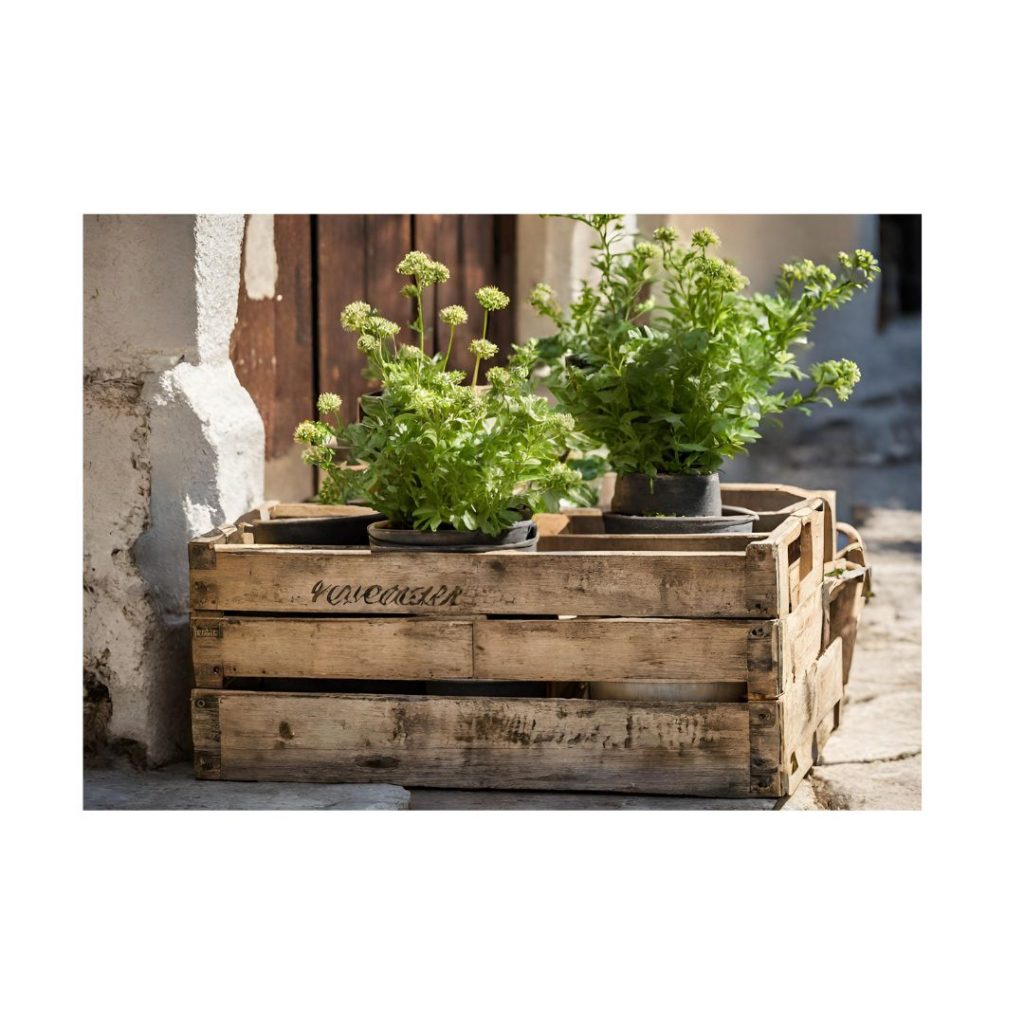
Sohpia emerged once more from the house, carrying the precious liquid cargo; she handed me the glass without comment, an ice cube tinkling deliciously. “Dinner ready soon Mr Gardner. You eat in dining room?” Sophia knew that by eating in the dining room, I would be less likely to drink, as I considered drinking on the terrace a gift from the weather god Zeus, a celebration of the Grecian summer, as the sun disappeared behind the house, and a gentle breeze swept up from the bay, to nudge and sweep over the small town of Kavos, that jealously hugged the shore.
“No Sophia, not tonight. I will eat on the terrace.”
Sophia frowned, in a maternal way.
“No drink. You need dry patch Mr Gardner.”
I swilled the drink in my hand, the ice cube ricocheted off the glass, and was momentarily submerged in a fizzing eruption of Coke. I knew that Sophia was right; today I had started drinking after breakfast, out of inertia and then boredom. My emergent boredom was the result of my other and unwanted ‘dry patch’, my lack of progress in writing my latest novel, and facing up to the challenge of sitting at my desk, for six hours a day, pen in hand. Although I owned an old typewriter, which had been built in East Germany, and perhaps represented the epitome of technology there before the fall of the Berlin Wall, I had not ventured into the world of the IBM PC, due in part to the unreliable electricity supply to the house.
I had spoken enthusiastically a month ago to Louise, my agent, about my plans. “I have an idea,” I had said, “it came to me on a visit to the town.” She had not immediately responded, her lack of enthusiasm disguised by the poor quality of the telephone system. “What’s the plot Michael?” she had said at length, a tone of weariness evident in her voice. “A wealthy family arrives on a Greek island to rent a villa for the summer.” She said nothing. “Their chaotic lives are counterpointed by the beauty of their surroundings.” Still silence: I shook the phone, it crackled dully, as if proof that at least the technology had not given up the effort.
“Are you there Louise?”
“Yes Michael.”
“Well, what do you think?”
“Is that it?”
I thought rapidly, what I had outlined had been my elevator pitch. I had not had time to develop the ideas further, the characters, the subplots, the sixty thousand words, were all to be worked out. My inspiration had arisen one day in Kavos. I had become used on my visits, a way of gaining both social connection and exercise, to see newly arrived tourists thronging the harbourside tavernas, hiding their reddening bodies from the sun, and drinking beer in the heat, plates of Greek salad standing idly by. I would take up a vantage point at my favourite intimate taverna, the Kala Kala, which was favoured by locals and long-term foreign residents, order a coffee, and watch the circus.
The youth of Europe, escaping from dull lives in Britain, Germany and Sweden, descended on Kavos each July and August to get drunk, to get a tan, and to get laid, but not necessarily in that order. As I looked at them, pudgy faced and satisfied, I wondered what cramped hotels and guest houses they had been deposited at by the local taxi services. I wondered why so many settled for so little. What if, rather than accepting the package holiday hell, a middle-class family disgorged into a villa, where, cared for by attentive staff, they unwound from the stresses of urban life – and, well, kept on unwinding. Louise coughed down the telephone line: I abruptly came back to my need to convince my agent that I was on to something. I had taken the call in my office; before me was a notepad, which I used to record ideas, no matter how desperate, and if ideas did not prevail, doodles of Lord Byron, or the house and grounds. Next to the pad was a week-old copy of The Daily Telegraph, purchased at a shop in Kavos that catered to the needs of pining British holiday makers and expatriates. A story at the bottom of the first page, to which I had given no prior attention, concerning the decision of the British Medical Council to strike off a consultant for having an affair with a patient, caught my eye. Yes! I had a plot.
“The main character,” I said, taking the pen, “is a doctor, who…who has been struck off for malpractice.”
“So, he goes on a luxury holiday to a Greek island?”
“He cannot face the ignominy of his fate. He hides the news from his family. In fact, they all have news which they are hiding from each other.”
“What’s this character’s name?”
In panic I scanned the newspaper. The doctor’s name in the article was Pincher, Charles Pincher. I thought that would have been rather good but cursed the legal fates that denied that opportunity. I scribbled furiously: Pincher became Puncher, then Pinsent. I underscored Pinsent three times.
“It’s Pinsent, Richard Pinsent! He is, or was, a psychiatrist. It makes the story rather Freudian, as he keeps psychoanalysing his family, when in fact, it is him that needs the shrink.”
“Dark and Freudian?” she asked, hopefully, tentatively exploring which genre my effort could be allocated to.
“No there’s comedy as well, one must have a little levity, after all, the family are on holiday.”
“So, it’s a darkly comedic Freudian exploration of complex family relationships while on vacation in the Greek islands.”
“Yes! That’s it exactly!”
“It might be a difficult pitch to a publisher Michael. I can’t see it selling as an airport novel, you know the last thing you grab off the shelves at W. H. Smith at Gatwick Airport with a bar of Cadbury’s chocolate before running for the boarding gate.” What Louise had articulated was a genre known among some writers as the ‘grab and go’ novel, ten seconds of consumer effort in response to two years of literary struggle, Emile Proust revolved in his grave once for every sale.
Copyright © David Alexander 2023