“Well,” I said, not knowing anything about Freud apart from a book review I had read in the TLS some years before, “think Patricia Highsmith then, is that dark enough for you?”
“Patricia Highsmith I can work with.”
We had left the discussion there, all that remained was for me to write the book. That had become the problem. In my younger days, I had gone through a Patricia Highsmith phase, I had devoured all her major works, and became a devotee of Tom Ripley. However, my main character, Richard Pinsent, was a struck off psychiatrist, not a rampaging con man. I realized that I needed to look again at the book. That process, of sitting at my writing desk each day after breakfast, a cup of coffee poised in one hand, and my pen in the other, waiting for inspiration to explode, had proved fruitless. In times of word drought, it was my practice to put down my tools, and walk around the garden, basking in the rising summer heat, listen to the symphony of cicadas, as they droned playfully, and gaze out to sea. This process had gone on for several mornings, and each day as I waited for inspiration by a favourite olive tree, tugging at the fruit in a desultory way, my lethargy had increased. When inspiration came one morning, it was a splendid realization, an affirmation, a release. I slapped the trunk of the olive tree with one hand, “Patricia Highsmith never wrote a fucking comedy!” I said, and assured now, made my way back to the house. However, having removed, in my mind, the need to follow a style dictated by an eccentric genius who liked to create havoc in the lives of others, I was still at a loss as to how the story unfolded.
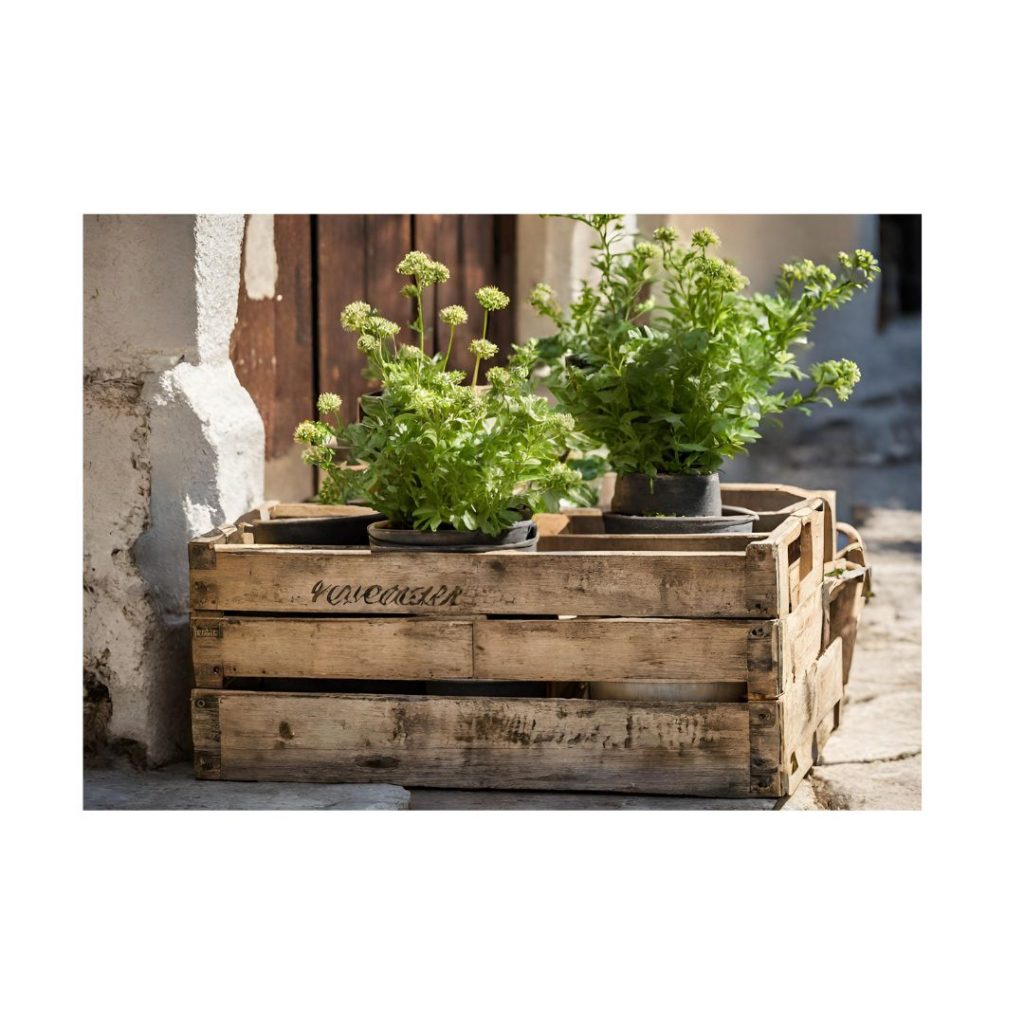
Sophia returned, bearing the things for dinner, and proceeded to set out cutlery, a breadbasket, brimming with fresh still warm bread, a carafe of water and a glass. She pointed to the beer crate and smiled, Lord Byron, aroused by the smell of food, had relented, uncoiled from his vantage point, and was sinuously walking toward the dinner table.
“Ah!” I said to him, “so you have decided to join me, having attacked me earlier. Bad cat!”
Sophia looked at me. “He good cat Mr Gardner. He keep lizards away.” That, I had to concede, was true. When I had purchased the house, which had been empty for two years, it had become home to various colonies of geckos, lizards and other cold-blooded reptiles. Lord Byron, fiercely establishing his claim to the estate, had despatched them, on several occasions offering me a dismembered gecko by way of feline tribute. Sophia brought out dinner, first the meze dishes, then slow cooked lamb with tomatoes, carrots and herbs. I took up the carafe and poured a small glass of water. Sophia looked first at the glass, then the carafe, then back to the glass. I took her hint and topped up the glass to the brim.
“You OK Mr Gardner?” she asked.
“I’m fine Sophia.”
“OK, we go now. Anastasia has to get ready for school tomorrow.”
“Does Anastasia know anything about Freud?” I ventured, teasingly.
“Who?”
“He was a doctor, he treated minds not bodies.”
“Good doctor treats bodies. Greek sun treats minds.”
With that withering deconstruction of psychoanalysis, she turned about and returned to the kitchen, where Anastasia waited. I sat and sipped from the glass, an idea forming in my mind, of a family unfolding like petals in the warmth of a Grecian patio.
Copyright © David Alexander 2023