Lord Byron turned on his back; he eyed my bare feet, which lay tantalisingly close to his paws, one big toe waving in time to the Greek pop song playing on the radio in the kitchen, where Sophia was preparing dinner. I sat in my favourite armchair on the terrace, and sipped from a glass of rum and Coke, as the music filled the terrace and the bougainvillea swished in riotous and lusty profusion above my head in the summer breeze.
Lord Byron’s eyes narrowed, as he mistook a large toe for a mouse, which, in his feline mind perhaps, was dancing to the music, while clinging to my foot. Without warning, he swung a paw, its claws extended beyond the folds of soft padding, as if he were wielding a set of small razor blades. “Bollocks!” I shouted, as the pain sliced through the nerves to my ankle and dropped the glass. The glass shattered into bright shards, that glistened amongst the rapidly spreading dark rivulets of Coke, now radiating out on the hot flagstones. “The cat has attacked me!” I shouted to no one in particular and staggered to my feet. There was a commotion in the kitchen, Sophia appeared at the open door, her face a mask of concern, while close behind, her eight-year-old daughter Anastasia, huddled into the folds of her mother’s dress and peeked out timidly at the mad drunk Englishman.
“Mr Gardner?” enquired Sophia imploringly, adopting a well-practiced expression of earnest concern, but seeing the glass shards on the flagstones, did not venture further.
“The cat! The cat!” I screamed in explanation while hopping on one foot, a bloodied toe witness to the unprovoked assault. My attempt at a Grecian Morris dance ended abruptly however when I hopped (with my formerly uninjured foot) onto one of the vengeful shards of glass. Propelled by excruciating pain now in both feet, I catapulted my unathletic body into a large old rosemary hedge that bordered the terrace. I sat dejected on my green throne, sprigs of rosemary protruding between my thighs and poking my backside. As the pain subsided, I tentatively examined my feet, but could not see the wounds. I looked up at a cheap concrete statue of the Greek god Hermes that stood on the opposite side of the armchairs and stared unrelentingly out to sea: his purchase had been a suggestion from Sophia that his presence would bring good fortune to the house. “Failing again Hermes!” I muttered under my breath as I struggled to get up. Sophia spoke to Anastasia, who disappeared into the house, to re-emerge after a few minutes brandishing a heavy yard broom, of the kind favoured by witches.
All the while Sophia watched me closely, “No move, no move Mr Gardner,” she said, as she plotted a way through the minefield of glass that separated her from me. Showing a diligence singularly lacking when she cleaned the house itself, she took the yard broom, and swept a path, carefully pushing aside and corralling into neat piles the glistening little daggers. The path clear, she stood before me, broom in hand, and surveyed my feet.
“You stand Mr Gardner?”
“Not with my feet in this condition. I need a bandage.”
“Bandage?” she asked, not understanding.
“Yes, bandage Sophia! Plaster! First aid!” I squealed in self-pitying tones.
“First aid! OK. OK.”
She turned and spoke to Anastasia, who returned to the house. Anastasia had always struck me as a bright child, who was capable of lateral thought, a skill lacking in many people I have encountered. As she emerged from the depths of the house a second time, she held in one hand the first aid box from the bathroom, a little worn and scratched from years of use, but still adorned with a bright red cross, and in the other hand, my tan Moroccan bedroom slippers.
“Strap feet first,” said Sophia, “then walk Mr Gardner.”
I sat back in my armchair, my legs protruding like two pallid sticks, my feet rendered into a semblance of normality by the slippers. The pain in my toe had diminished, to leave a dull throbbing sensation. My other foot was sensitive, but a plaster now adorned the wound; Sophia had extracted what to my eyes had been a scimitar sized piece of broken glass. However, she had shrugged, it was to her not remarkable. “My uncle, he was fisherman, he had nail in his foot, walked for two weeks on nail, no pain,” she had said. I briefly contemplated why would a fisherman need to walk long distances, but suspicious about the veracity of the story, gave up the thought as frivolous and turned my attention and needs to my wounded, quietly throbbing, feet.
“I need a drink Sophia, after that ordeal.”
“Is early Mr Gardner.”
“Is emergency Sophia.”
Sophia had a repertoire of shrugs and other physical gestures, which she deployed depending on the time of day and the specific circumstance. At this time and for this circumstance, she rolled one shoulder, then the other, which was to be interpreted that she did not care what damage I did to my liver – she was only my housekeeper. Carefully avoiding two neat piles of broken glass, to be cleared away in the morning, she ventured into the house, where she was greeted by a raft of rapid questions by Anastasia, who had settled down to her school homework assignment.
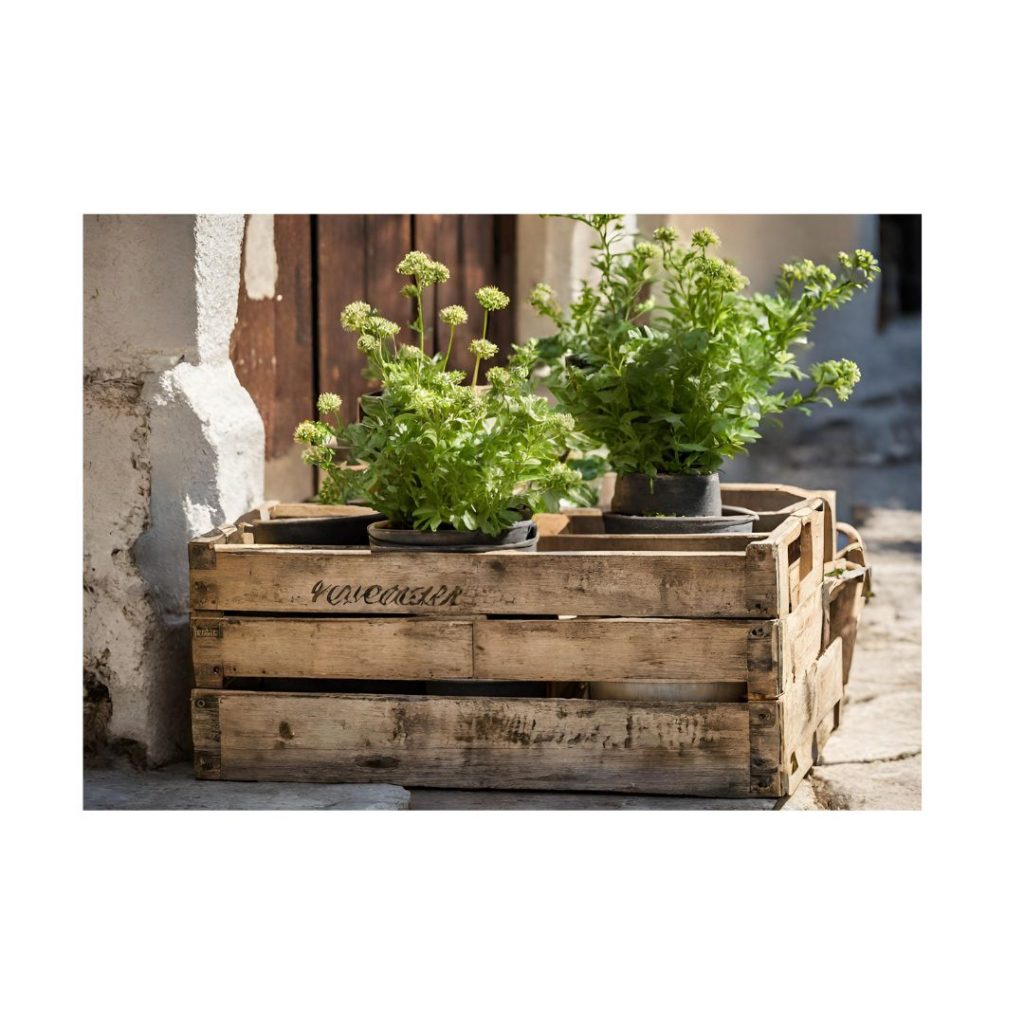
I sat back and contemplated alcoholic salvation. Lord Byron was nowhere to be seen, having taken refuge in an old wooden beer crate, that had once held bottles of Mythos beer, an amber and delicately flavoured attraction on summer nights, and was now home to three small terracotta plant pots. Lord Byron was the colour of a drying muddy riverbank, with flashes of white around his paws and ears, so once folded up in the old crate, he was practically invisible. I turned my attention to the crate and saw a furry shape that nudged the pots with a slow rhythmical movement. Lord Bryon’s breathing was steady, and his eyes, two green specks, scrutinised me through the wooden slats. “Lord Byron!” I called, pleadingly, “Lord Byron! Come here cat!” He did not move, but I saw his tongue flick out defiantly. “O! Bloody cat!” I said, and sat back, angry with him for not responding.
Copyright © David Alexander 2023